


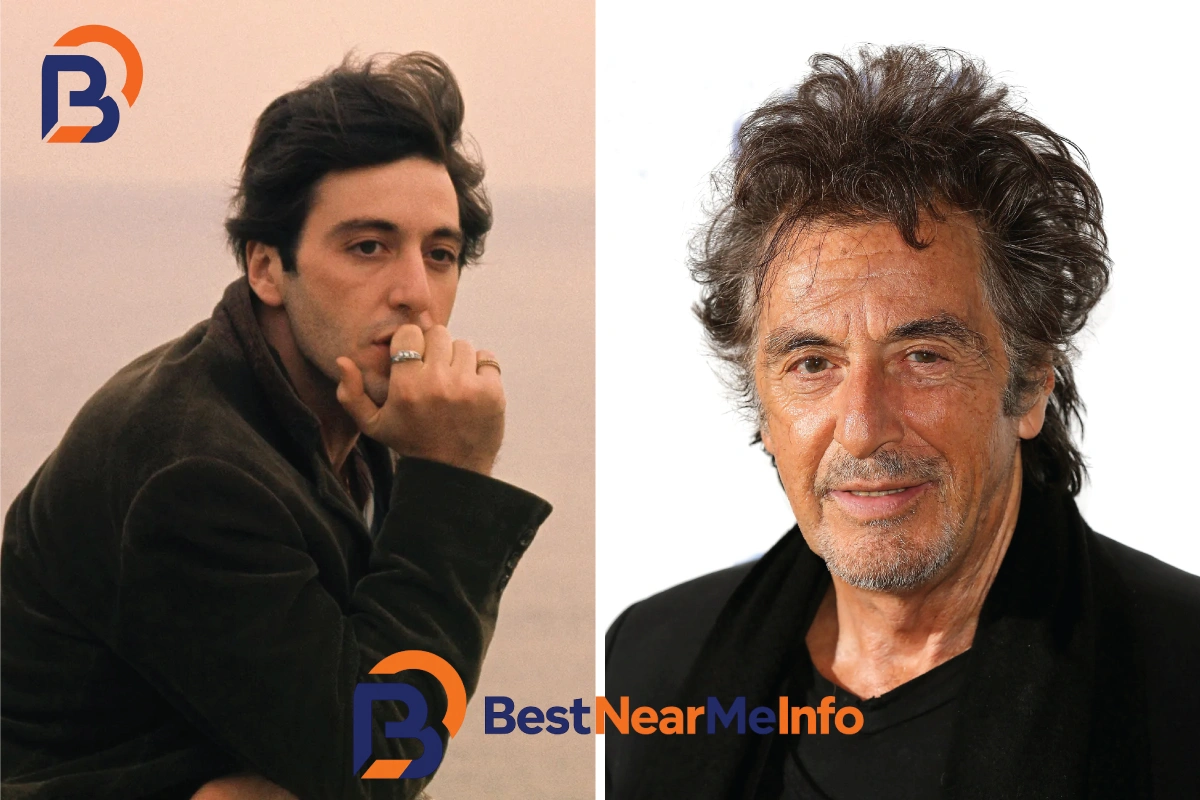
Few actors have left a mark on cinema quite like Al Pacino. Long before he became one of the most celebrated performers in film history, there was a young man from the streets of New York with a dream, relentless determination, and a passion for acting that would eventually transform the entertainment industry. The story of Al Pacino Young is not simply about fame. It is about resilience, sacrifice, and the pursuit of artistic excellence against all odds.
When people search for Al Pacino Young, they are often fascinated by the striking photographs of a charismatic actor whose intense gaze and natural presence seemed destined for greatness. Yet behind those iconic images was a challenging journey filled with hardship, rejection, and years of hard work. Understanding the early life of Al Pacino provides valuable insight into how one of Hollywood’s greatest stars developed the talent and determination that would define his career.
Early Life and Family Background
Born on 25 April 1940 in East Harlem, New York City, Alfredo James Pacino entered a world far removed from the glamour of Hollywood. His parents, Salvatore Pacino and Rose Gerardi, separated when he was very young. Following the separation, Al moved with his mother to the Bronx, where he was raised alongside extended family members. Life was not always easy, and financial struggles were a regular part of everyday existence.
The story of Al Pacino Young is deeply connected to the neighbourhoods that shaped him. Growing up in the Bronx exposed him to diverse cultures, colourful personalities, and the realities of urban life. These experiences would later influence many of the memorable characters he portrayed on screen. Even as a child, Pacino displayed a vivid imagination and a fascination with storytelling. While other children focused solely on traditional pursuits, he found himself drawn towards performance and creative expression.
Discovering a Passion for Acting
As a teenager, Pacino struggled academically and often found classroom environments uninspiring. However, he discovered a genuine passion when he became involved in school productions and local theatre activities. Acting provided an outlet where he could channel emotions, creativity, and energy in a meaningful way. It was here that the foundations of his extraordinary career began to take shape.
The journey of Al Pacino Young into acting was anything but straightforward. Many aspiring performers dream of instant success, but Pacino spent years developing his craft. He studied acting seriously and dedicated countless hours to understanding character development, dialogue delivery, and emotional authenticity. His commitment quickly became apparent to those around him. Teachers and mentors recognised a rare intensity that distinguished him from many of his peers.
Training and Struggles Before Fame
Professional acting training became a major focus for Pacino during his early adulthood. He attended the prestigious Herbert Berghof Studio and later studied under renowned acting coach Charlie Laughton. These experiences helped refine his natural abilities and introduced him to the disciplined world of professional performance.
Money remained a constant challenge during this period. The story of Al Pacino Young includes numerous jobs taken simply to survive while pursuing acting opportunities. He worked as a messenger, janitor, busboy, and various other positions to support himself. There were times when he faced extreme financial hardship. Yet despite these obstacles, he refused to abandon his dream. His dedication resembled a marathon runner continuing through exhaustion because the finish line remained visible in the distance.
Al Pacino Young: Detailed Profile Table
| Information | Details |
|---|---|
| Full Name | Alfredo James Pacino |
| Popular Name | Al Pacino |
| Date of Birth | 25 April 1940 |
| Age | 86 Years (as of 2026) |
| Birthplace | East Harlem, New York City, USA |
| Nationality | American |
| Father | Salvatore Pacino |
| Mother | Rose Gerardi |
| Siblings | No widely documented biological siblings |
| Marital Status | Never Married |
| Known Partners | Diane Keaton, Beverly D’Angelo, Lucila Solá and others |
| Children | Julie Pacino, Anton James Pacino, Olivia Rose Pacino, Roman Pacino |
| Education | Herbert Berghof Studio, Actors Studio |
| Profession | Actor, Producer, Director |
| Famous For | The Godfather, Scarface, Heat, Scent of a Woman |
| Acting Style | Method Acting |
| First Major Recognition | Broadway Performances |
| Breakthrough Film | The Godfather (1972) |
| Awards | Academy Award, Golden Globe Awards, Emmy Awards, Tony Awards |
| Net Worth | Estimated in the hundreds of millions of dollars |
| Residence Association | New York and California |
| Legacy | One of the greatest actors in film history |
The Theatre Years
Before Hollywood embraced him, Pacino built a reputation within the theatre community. Stage acting became his proving ground. It was a demanding environment where performers could not rely on camera angles or editing. Every emotion had to be genuine, every line delivered with conviction, and every performance capable of capturing the audience’s attention in real time.
The years spent on stage were crucial in shaping Al Pacino Young into a disciplined actor. Theatre taught him patience, precision, and emotional depth. Critics and fellow actors began noticing his remarkable talent. His performances carried a raw authenticity that made audiences believe every word spoken on stage. This reputation eventually opened doors to larger opportunities and introduced him to influential figures within the entertainment industry.
Breakthrough Opportunity
Success did not arrive overnight. Pacino spent years auditioning and facing rejection before landing significant roles. His breakthrough began with stage performances that earned critical acclaim and established his reputation as a serious actor. Industry insiders recognised that he possessed something unique. His performances were powerful without appearing forced and emotional without becoming exaggerated.
The transformation from Al Pacino Young struggling actor to rising star accelerated when film producers started paying attention. Directors admired his ability to communicate complex emotions through subtle expressions and nuanced performances. Unlike many actors seeking fame, Pacino focused almost entirely on the craft itself. This dedication became one of the defining characteristics of his career.
The Godfather and Instant Recognition
Everything changed when Pacino was cast as Michael Corleone in The Godfather. At the time, many studio executives questioned whether he was the right choice. He lacked the established fame of other actors being considered for the role. However, director Francis Ford Coppola believed in his talent and fought to secure his casting.
For many people searching for Al Pacino Young, images from The Godfather immediately come to mind. His portrayal of Michael Corleone remains one of the most iconic performances in cinematic history. The character’s transformation from reluctant family member to powerful mafia leader showcased Pacino’s extraordinary range. Audiences were captivated, critics were impressed, and Hollywood suddenly recognised the arrival of a major new talent.
Distinctive Style and Charisma
One reason Al Pacino Young continues to attract interest decades later is his distinctive presence. He possessed a combination of intensity, vulnerability, confidence, and unpredictability that made him impossible to ignore. Even in his earliest performances, viewers could sense a magnetic quality that separated him from many contemporaries.
His acting style often resembled a carefully controlled storm. Quiet moments carried as much power as dramatic outbursts. Rather than relying on flashy techniques, Pacino focused on truthfulness and emotional realism. This approach allowed audiences to connect deeply with his characters. Whether portraying a criminal, police officer, lawyer, or revolutionary, he brought authenticity to every role.
Influence on Future Generations
The legacy of Al Pacino Young extends far beyond his own achievements. Countless actors have cited him as a major influence on their careers. His commitment to character development and emotional honesty established new standards within the industry. Aspiring performers continue studying his early work to understand what makes a performance truly memorable.
Modern cinema remains shaped by the techniques and standards Pacino helped popularise. His performances demonstrated that audiences appreciate complexity and depth. Rather than presenting simplistic heroes or villains, he embraced flawed, multidimensional characters. This approach continues influencing filmmakers and actors around the world.
Why People Remain Fascinated by Al Pacino Young
Decades after his rise to fame, interest in Al Pacino Young remains remarkably strong. Part of this fascination comes from nostalgia. People enjoy revisiting the early years of legendary figures and witnessing the moments before greatness became universally recognised. Old photographs and film clips reveal a young actor filled with ambition, determination, and extraordinary potential.
Another reason lies in the timeless quality of his performances. Great acting does not age. Whether someone watches his early films for the first time or the fiftieth, the emotional impact remains powerful. The story of Al Pacino Young serves as a reminder that talent alone is rarely enough. Success often requires persistence, sacrifice, and an unwavering belief in one’s goals.
Frequently Asked Questions
How old was Al Pacino during The Godfather?
Al Pacino was in his early thirties when The Godfather was released in 1972. His portrayal of Michael Corleone became one of the most celebrated performances in film history.
Where did Al Pacino grow up?
He spent much of his childhood in the Bronx, New York City, after moving there with his mother following his parents’ separation.
What made Al Pacino Young famous?
His breakthrough came through theatre performances and eventually his role as Michael Corleone in The Godfather, which brought him international recognition.
Did Al Pacino study acting professionally?
Yes. He trained at the Herbert Berghof Studio and later became associated with the famous Actors Studio, where he refined his acting skills.
Why is Al Pacino considered a great actor?
He is admired for emotional depth, realism, powerful character portrayals, and an ability to bring authenticity to complex roles.
What was Al Pacino’s first major success?
Before achieving film stardom, he gained significant recognition through acclaimed theatre performances that attracted attention from major filmmakers.
Conclusion
The journey of Al Pacino Young is a remarkable story of determination, passion, and artistic excellence. From the streets of New York to the heights of Hollywood, he overcame financial struggles, professional challenges, and countless obstacles to become one of cinema’s most respected figures. His early years reveal the dedication required to achieve greatness and explain why his performances continue to inspire audiences across generations. The legacy of Al Pacino Young remains a powerful example of what can happen when talent meets persistence, creating a career that stands among the greatest in entertainment history.
Read More: BestNearMeInfo
